
Description
- Powerful magnets quickly secure beads
- Simply turn tube for efficient bead mixing
Different sizes:
- • 1.5 mL 4 and 16 Tube Rack
- • 15 mL Tube Rack
- • 50 mL Tube Rack
- • 96 well Plate Rack

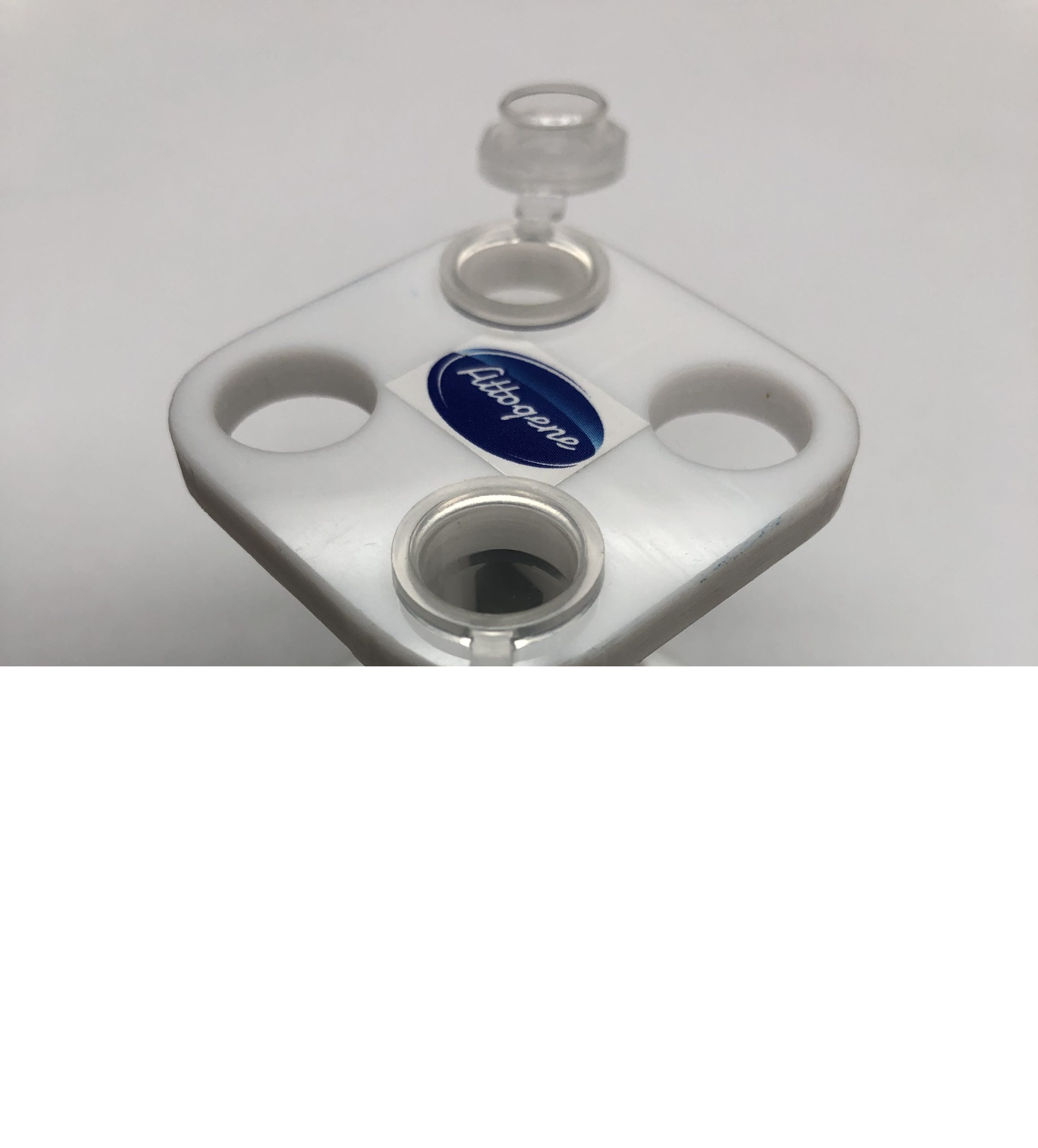
Different sizes:

Usages:
For monitoring and detection of surface of equipment and personnel hygiene.
Advantage:
1.This series of products was filling at A level of environment, and final sterilization by Gamma ray irradiation, triple packaging insure sterility and long shelf life.
2.Each dish was marking label product name, batch number, expiration date .Information is available of traceability.
3.Inner additional desiccant, reducing formation of condensation water, while inner additional sterile paper and plastic bags for easier transfer and cultivation.
4.Triple packing dense bags to avoid the penetration of hydrogen peroxide; clean gas was filled as a buffer to reduce broken bags and dish in transit..
5.This series of products is available to store at (2-25 ℃), shelf life of up to 6 months.
Storage: Store in a cool (2-25 ℃), dry place, away from bright light. Storage period of 6 months.
Specifications: 55mm*10 plates / bag
55mm*10 plates / bag

Vibrio cholerae is a comma-shaped, gram-negative bacterium. It is the cause of cholera in humans, which affects the upper small intestine. Transmission of the disease is mainly through contaminated food or water. Human subjects affected by cholera exhibit severe watery diarrhea and vomiting, caused by the cholera toxin produced by the bacterium. Many cases of cholera are life-threatening, as diarrhea and associated vomiting can lead to rapid dehydration and electrolyte loss. Even with the extensive research on its epidemiology, cholera still affects over 5 million people per year worldwide.
Vibrio cholerae TaqMan PCR Kit, 100 reactions
Vibrio cholerae TaqMan PCR Probe/Primer Set and Controls, 100 reactions
Figure 1 / 3

Click for expanded view
Storage Conditions and Product Stability
All kit components can be stored for 2 years after the date of production without showing any reduction in performance.
All kit components should be stored at -20°C upon arrival. Repeated thawing and freezing (> 2 x) of the Master Mix and Positive Control should be avoided, as this may affect the performance of the assay. If the reagents are to be used only intermittently, they should be frozen in aliquots.
| Component | Cat. TM38550 (100 preps) | Cat. TM38510 (100 preps) |
|---|---|---|
| MDx TaqMan 2X PCR Master Mix | 2 x 700 μL | – |
| V. cholerae Primer & Probe Mix | 280 μL | 280 μL |
| V. cholerae Positive Control | 150 μL | 150 μL |
| Nuclease-Free Water (Negative Control) | 1.25 mL | 1.25 mL |
| Product Insert | 1 | 1 |

Permagen’s two place centrifuge racks have all of the same features as our six place racks above
MSR50151 ( Holds 1 ea. 15 mL/ 50 mL
MSR2X15 (Holds 2 ea. 15 mL)
Maximum Volume – 50 mL (50 mL Tube)
Minimum Volume – 7 mL (15 mL Tube)
Permagen’s two place centrifuge racks have all of the same features as our six place racks above