
Introduction
029172 Oxidase Test Reagent
Usage: For Oxidase Test.
Specification:10pcs/box

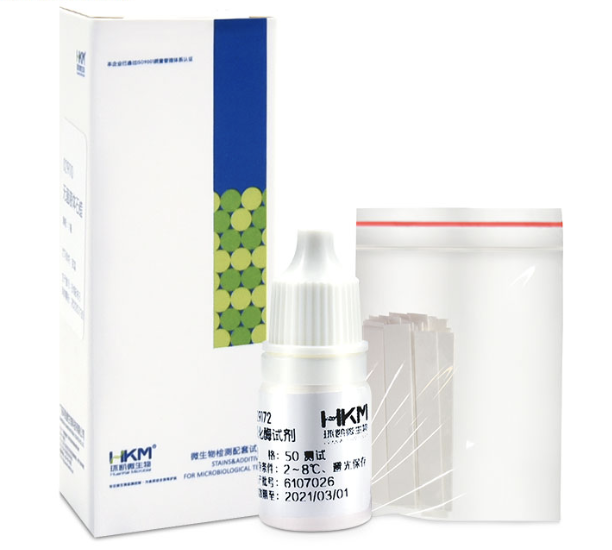
029172 Oxidase Test Reagent
Usage: For Oxidase Test.
Specification:10pcs/box

2 Layer Cell Factory Double Wide Mouth
Huayi Cell Factory is a robust and easy-to-use cell culture platform for applications in the production of human and animal vaccines, therapeutic proteins, cell therapy, and gene therapy.
To address the needs of your workflow, We have three kinds of mouth, which is available on most cell culture products to ensure consistent performance from lot to lot and from format to format.
Specifications: 1 layer, 2 layers, 5 layers, 10 layers and 40 layers.
PRODUCT FEATURES
of one 10-layer Cell Factory unit is equivalent to the area
of 36 T-175 flasks

Huayi Cell Factory is a robust and easy-to-use cell culture platform for applications in the production of human and animal vaccines, therapeutic proteins, cell therapy, and gene therapy.
To address the needs of your workflow, We have three kinds of mouth, which is available on most cell culture products to ensure consistent performance from lot to lot and from format to format.
Specifications: 1 layer, 2 layers, 5 layers, 10 layers and 40 layers.

DBCO-PEG9-amine is a PEG linker which contains DBCO and amine moieties. The DBCO group is commonly used in copper-free Click Chemistry reactions. The amine group is reactive with carboxylic acids, activated NHS esters, carbonyls (ketone, aldehyde) etc. The hydrophilic PEG spacer increases the water solubility of the compound. Reagent grade, for research purpose. Please contact us for GMP-grade inquiries.

DBCO-PEG9-amine is a PEG linker which contains DBCO and amine moieties. The DBCO group is commonly used in copper-free Click Chemistry reactions. The amine group is reactive with carboxylic acids, activated NHS esters, carbonyls (ketone, aldehyde) etc. The hydrophilic PEG spacer increases the water solubility of the compound. Reagent grade, for research purpose. Please contact us for GMP-grade inquiries.

Mal-amido-PEG5-alkyne is a PEG linker containing a maleimide group and an alkyne. The hydrophilic PEG spacer increases solubility in aqueous media. The alkyne group can react with azide-bearing compounds or biomolecules via copper catalyzed azide-alkyne Click Chemistry to yield a stable triazole linkage. The maleimide group will react with a thiol group to form a covalent bond, enabling the connection of biomolecule with a thiol. Reagent grade, for research purpose. Please contact us for GMP-grade inquiries.

Mal-amido-PEG5-alkyne is a PEG linker containing a maleimide group and an alkyne. The hydrophilic PEG spacer increases solubility in aqueous media. The alkyne group can react with azide-bearing compounds or biomolecules via copper catalyzed azide-alkyne Click Chemistry to yield a stable triazole linkage. The maleimide group will react with a thiol group to form a covalent bond, enabling the connection of biomolecule with a thiol. Reagent grade, for research purpose. Please contact us for GMP-grade inquiries.