
Introduction
SR0160 Gentamycin Sulfate
Usage:Addtive reagent for culture media.
Specification:3.3mg*10vials

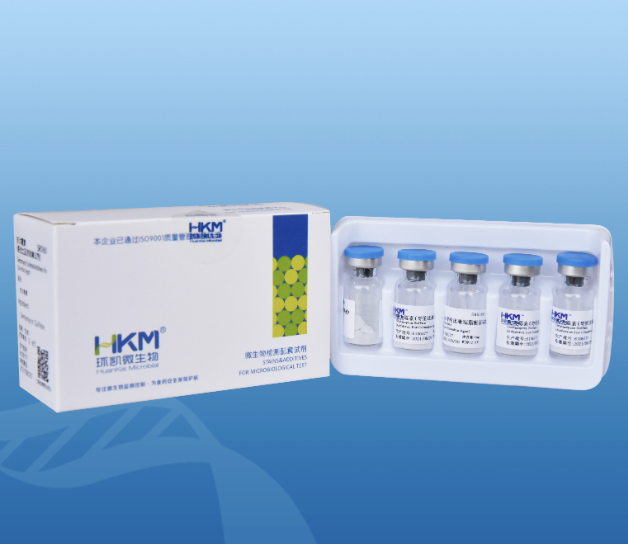
SR0160 Gentamycin Sulfate
Usage:Addtive reagent for culture media.
Specification:3.3mg*10vials

The Permagen 96-Well Side Pull Bar Magnet PCR Separation Plate was designed for use in manual or automation applications where pulling beads to one side of the wells is essential. Also available in a kit form which includes our MTP96 clear top plate for 0.2 mL PCR tubes and strips.
Most PCR plates are bent, leading to inconsistent lab results. Unlike most products, we have added two angled, partial frames around the top of our plate, this helps with two things, straightening out the PCR plate, and leading it to the proper location on the magnets when using an automated liquid handling robot.
Features include solid aluminum alloy construction and hard coat anodized finish for years of trouble-free use, and compatible with any magnetic beads
MSP750 (Magnet Plate only)
MSP750KT (Includes top plate kit)
Minimum – 30 µL
Maximum – 0.2 mL
The Permagen 96-Well Side Pull Bar Magnet PCR Separation Plate was designed for use in manual or automation applications where pulling beads to one side of the wells is essential. Also available in a kit form which includes our MTP96 clear top plate for 0.2 mL PCR tubes and strips.


These kits provide a fast, reliable and convenient method to purify and concentrate high quality, high purity and inhibitor-free cell-free circulating RNA, including exosomal RNA as well as viral RNA from fresh, preserved or frozen urine samples. All components for the purification are provided in one convenient and fast kit for the easy processing of small input volumes of bodily fluids. The purified urine RNA is fully compatible with all downstream applications including PCR, qPCR, methylation-sensitive reverse transcription qPCR, reverse transcription PCR, Northern blotting, RNase protection and primer extension, expression array assays, and NGS.
Background
Recent evidence indicates that cell-free circulating RNA (cf-RNA) including exosomal RNA in urine contains valuable information for the discovery of biomarkers that can help for the early detection of certain cancer types and for monitoring the disease status as well as for the detection of any infectious pathogens. Exosomes can be found in saliva, blood, urine, amniotic fluid and malignant ascitic fluids, among other biological fluids. Evidence has been accumulating recently that these vesicles act as cellular messengers, conveying information to distant cells and tissues within the body. These exosomes may play a functional role in mediating adaptive immune responses to infectious agents and tumours, tissue repair, neural communication and transfer of pathogenic proteins. For this reason exosomal RNAs may serve as biomarkers for various diseases including cancer. The advantage for using urine as a source for cancer biomarkers is that it can be acquired in large quantities without using invasive procedures. In addition, repeated sampling from the same individual is applicable, which facilitates longitudinal studies. There are many advantages favouring the use of urinary nucleic acid for cancer biomarker discovery over blood, tissue samples or other bodily fluids, including: (1) urine is non-infectious for HIV and less infectious for many other pathogens; (2) the profile of urinary nucleic acid is similar to that in plasma or serum but with a lower concentration; (3) Nucleic acid purification from urine is technically much easier because of its low protein concentration (1000-fold lower than blood).
Urine Cell-Free Circulating RNA Purification Mini Kit
For sample volumes ranging from 250 µL to 2 mL.
Urine Cell-Free Circulating RNA Purification Midi Kit
For sample volumes ranging from 2 mL to 10 mL. The first column will handle the large volume input of urine that is followed by a concentration on a mini column for a final elution of 50 µL to 100 µL.
Urine Cell-Free Circulating RNA Purification Maxi Kit
For sample volumes ranging from 10 mL to 30 mL. The first column will handle the large volume input of urine that is followed by a concentration on a mini column for a final elution of 50 µL to 100 µL
Figure 1 / 9

Click for expanded view
| Kit Specifications | |
| Minimum Urine Input | 10 mL |
| Maximum Urine Input | 30 mL |
| Size of RNA Purified | All sizes including miRNA and small RNA (< 200 nt) |
| Elution Volume | 50-100 μL |
| Time to Complete 10 Purifications | 40-45 minutes |
| Average Yields | Variable depending on specimen |
*Please check page 6 of the product insert for average yields and common RNA quantification methods.
Storage Conditions and Product Stability
All buffers should be kept tightly sealed and stored at room temperature. These kits are stable for 2 years after the date of shipment. It is recommended to warm Lysis Buffer A for 20 minutes at 60°C if any salt precipitation is observed.
| Component | Cat. 56900 (50 preps) | Cat. 57000 (20 preps) | Cat. 57100 (10 preps) |
|---|---|---|---|
| Binding Solution K | 25 mL | 75 mL | 1 x 75 mL 1 x 25 mL |
| Lysis Buffer A | 30 mL | 20 mL | 20 mL |
| Wash Solution A | 18 mL | 18 mL | 18 mL |
| Elution Solution A | 6 mL | 6 mL | 6 mL |
| Mini Spin Columns | 50 | 20 | 10 |
| Midi Spin Columns | – | 20 | – |
| Maxi Spin Columns | – | – | 10 |
| Collection Tubes | 50 | 20 | 10 |
| Elution Tubes (1.7 mL) | 50 | 20 | 10 |
| Product Insert | 1 | 1 | 1 |