

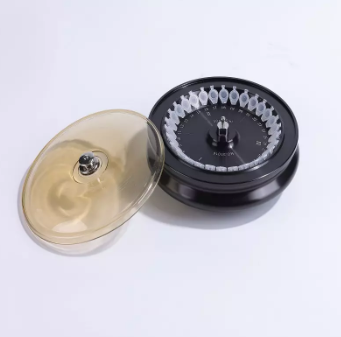

DL6MB large capacity refrigerated centrifuge
Features:
1. Widely used in the field of blood bank, pharmaceutical factory and laboratory.
2. Brushless frequency motor, in great torque, free maintenance, no powder pollution, quick in speed up and down.
3. Digital display which indicates the program, speed, time,RCF, temperature.
4. Micro computer control, there are 10 kinds of program and 10 kinds of acceleration and deceleration for your choice.
5. There are 6 kinds of rotors for your choice.
6. Electric lid lock, compact design, super speed and imbalance protection.
7. The centrifuge body is made of high-quality steel, safe and reliable.
DL6MB Technical Parameter:
| Max. Speed | 6000rpm |
| Max. RCF | 6600*g |
| Max. Capacity | 6×1000ml(6*500ml blood bag) |
| Time Range | 0~9h59min |
| RPM/RCF Convert | Yes |
| Noise (dB) | ≤ 55 |
| Temperature | -20-40 degrees |
| Acc/Dcc | 10 Kinds |
| Speed Accuracy | ±20r/min |
| Temperature Accuracy | ±1℃ |
| Voltage(V/Hz) | AC 220V 50HZ/60HZ |
| Size (W x D x Hmm) | 800×675×830mm |
| Net Weight(Kg) | 310KG |
| Certificates | CE,ISO & Calibration report are available |
Matched Rotors for DL6MB
| Order No. | Rotor No. | Max Speed (rpm) | Max Volume(ml) | Max.RCF(×g) |
| No30298 | Swing Rotor | 4200 | 6×1000ml | 5100 |
| NO30221 | Angle Rotor | 6000 | 4×300ml | 5390 |
| NO30222 | Angle Rotor | 6000 | 6×300ml | 5660 |
| NO30223 | Angle Rotor | 6000 | 6×500ml | 6600 |
Widely used in the field of blood bank, pharmaceutical factory and laboratory.

Norgen’s Urine microRNA Purification Kit provides a rapid method for the isolation and purification of small RNA molecules (All sizes, including < 200 nt) from urine samples. These small RNAs include regulatory RNA molecules such as microRNA (miRNA) as well as tRNA and 5S rRNA. Small RNA molecules are often studied due to their ability to regulate gene expression. Typically miRNAs are 20-25 nucleotides long and regulate gene expression by binding to mRNA molecules and affecting their stability or translation. Several recent studies have shown that miRNA regulates cell growth and apoptosis. Furthermore, clinical and experimental analyses suggested that miRNAs may function as a novel class of oncogenes or tumor suppressor genes. MicroRNA expression profiles of different tumor types, relative to their normal tissues, have recently been shown to provide phenotypic signatures for particular cancer types. Unique patterns of aberrant miRNA expression may serve as molecular biomarkers for tumor diagnosis, prognosis of disease-specific outcomes, and prediction of therapeutic responses.
Figure 1 / 1

Click for expanded view
| Kit Specifications | |
| Volume of Urine Processed | 0.5 – 1 mL |
| Size of RNA Purified | All sizes, including < 200 nt |
| Time to Complete 10 Purifications | < 30 minutes |
Storage Conditions and Product Stability
All solutions should be kept tightly sealed and stored at room temperature. This kit is stable for 2 years after the date of shipment.
| Component | Cat. 29000 (25 preps) |
|---|---|
| Lysis Buffer A | 2 x 20 mL |
| Wash Solution A | 18 mL |
| Elution Solution A | 6 mL |
| Mini Spin Columns | 25 |
| Collection Tubes | 25 |
| Elution Tubes (1.7 mL) | 25 |
| Product Insert | 1 |

endo-BCN-PNP-carbonate is a very reactive compound which can easily react with amine-containing molecules in organic solvents. PNP is a good leaving group. The BCN is used for copper-free Click Chemistry reactions. Reagent grade, for research purpose. Please contact us for GMP-grade inquiries.

endo-BCN-PNP-carbonate is a very reactive compound which can easily react with amine-containing molecules in organic solvents. PNP is a good leaving group. The BCN is used for copper-free Click Chemistry reactions. Reagent grade, for research purpose. Please contact us for GMP-grade inquiries.