
Description
Specifications
| Clone | IHC969 |
| Source | Mouse Monoclonal |
| Positive Control | Thyroid Gland |
| Dilution Range | 1:200 |

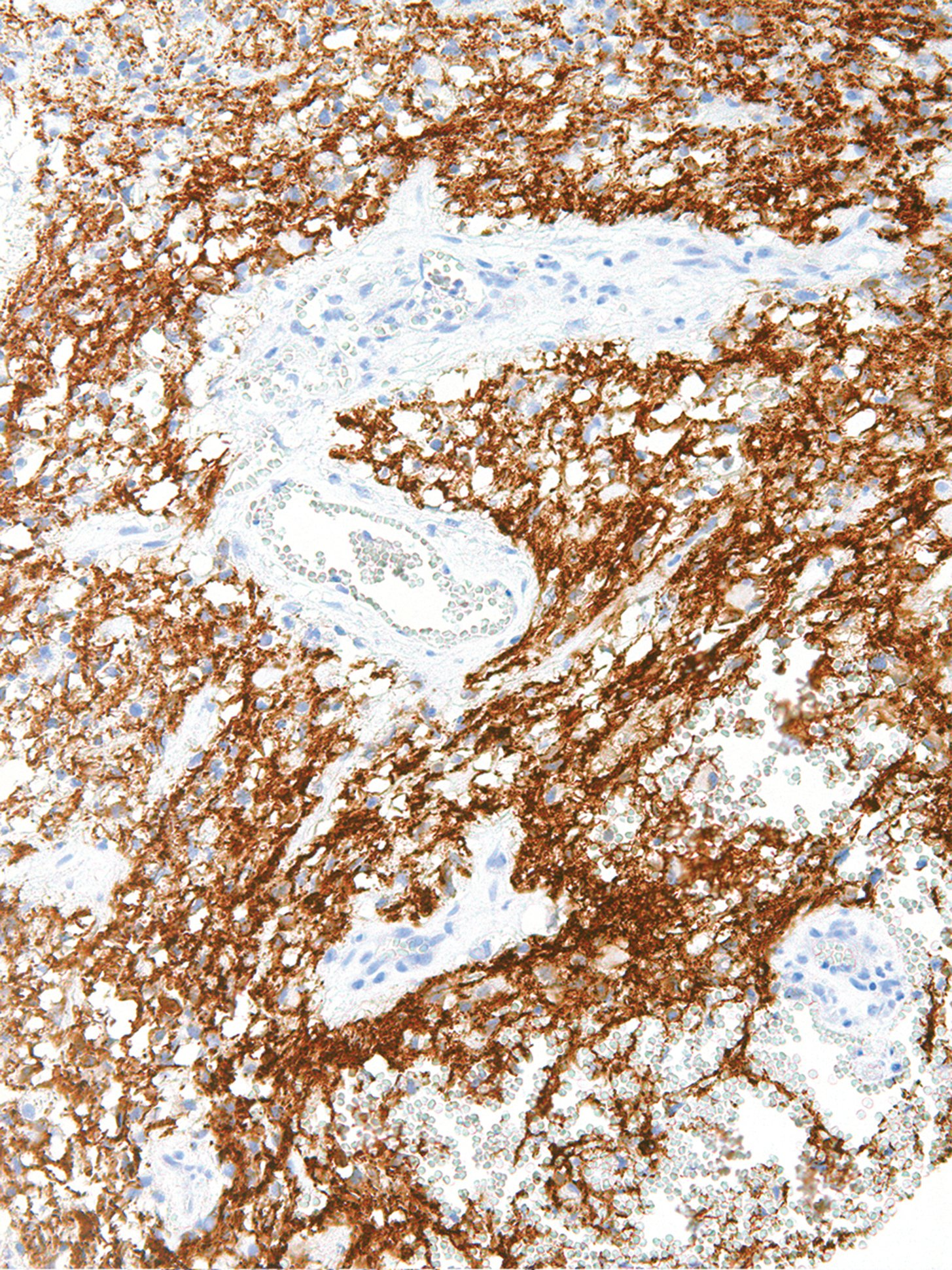
| Clone | IHC969 |
| Source | Mouse Monoclonal |
| Positive Control | Thyroid Gland |
| Dilution Range | 1:200 |

Propargyl-PEG1-NHS ester is an amine reactive reagent that can be used for derivatizing peptides, antibodies, amine coated surfaces etc. The alkyne group reacts with azide-bearing compounds or biomolecules in copper catalyzed Click Chemistry reactions. Reagent grade, for research purpose. Please contact us for GMP-grade inquiries.

Propargyl-PEG1-NHS ester is an amine reactive reagent that can be used for derivatizing peptides, antibodies, amine coated surfaces etc. The alkyne group reacts with azide-bearing compounds or biomolecules in copper catalyzed Click Chemistry reactions. Reagent grade, for research purpose. Please contact us for GMP-grade inquiries.

Nucleic acid testing (NAT) is the method of choice for detection and quantification of a wide range of micro organisms. Primerdesign manufactures and supplies high quality quantitative real-time PCR kits for the detection and simultaneous quantification of numerous significant pathogens . A copy number standard curve is provided for quantification and an the internal extraction template (DNA or RNA), controls for the quality of the nucleic acid extraction and eliminates false negative results.
The kit is designed with the broadest possible detection profile to ensure that all clinically relevant strains and subtypes are detected. Target sequences are selected by working with data from key opinion leaders in the field. Multiple sequence alignments and unprecedented real-time PCR expertise in design and validation ensure the best possible kit.
Details of the target and priming specificity are included in the individual handbooks above.
Packaged, optimised and ready to use. Expect Better Data.
Exceptional value for money
Rapid detection of all clinically relevant subtypes
Positive copy number standard curve for quantification
Highly specific detection profile
High priming efficiency
Broad dynamic detection range (>6 logs)
Sensitive to < 100 copies of target

Norgen’s PCR and Sequencing Reaction Clean-Up Kit (Magnetic Bead System) provides a rapid, simple and efficient procedure for the purification and clean-up of sequencing and various other enzymatic reactions including restriction enzyme digests, Klenow reactions, alkaline phosphatase reactions, and ligations. The kit is used to remove reaction contaminants including dye terminators, salts, enzymes, excess primers and primer dimers. Contaminants are undesirable as they can interfere with many downstream applications including sequencing, RFLP, restriction enzyme digestions and ligation. Purification is based on magnetic beads without the use of phenol, chloroform or alcohol precipitation. The kit provides a high quality product with up to 90% recovery.
Norgen’s PCR and Sequencing Reaction Clean-Up Kit (Magnetic Bead System) is also available in a 96-well format for high throughput applications. Purification with the 96-well plates can be integrated with a robotic automation system.
Figure 1 / 2

Click for expanded view
Storage Conditions and Product Stability
All solutions should be kept tightly sealed and stored at room temperature. This kit is stable for 1 year after the date of shipment.
| Component | Cat. 60200 (50 preps) | Cat. 62700 (192 preps) |
|---|---|---|
| Binding Buffer C | 30 mL | 2 x 30 mL |
| Elution Buffer B | 8 mL | 15 mL |
| Magnetic Bead Suspension | 1.1 mL | 8.5 mL |
| Elution Tubes (1.7 mL) | 50 | – |
| 96-Well Elution Plate | – | 2 |
| Adhesive Tape | – | 2 |
| Product Insert | 1 | 1 |