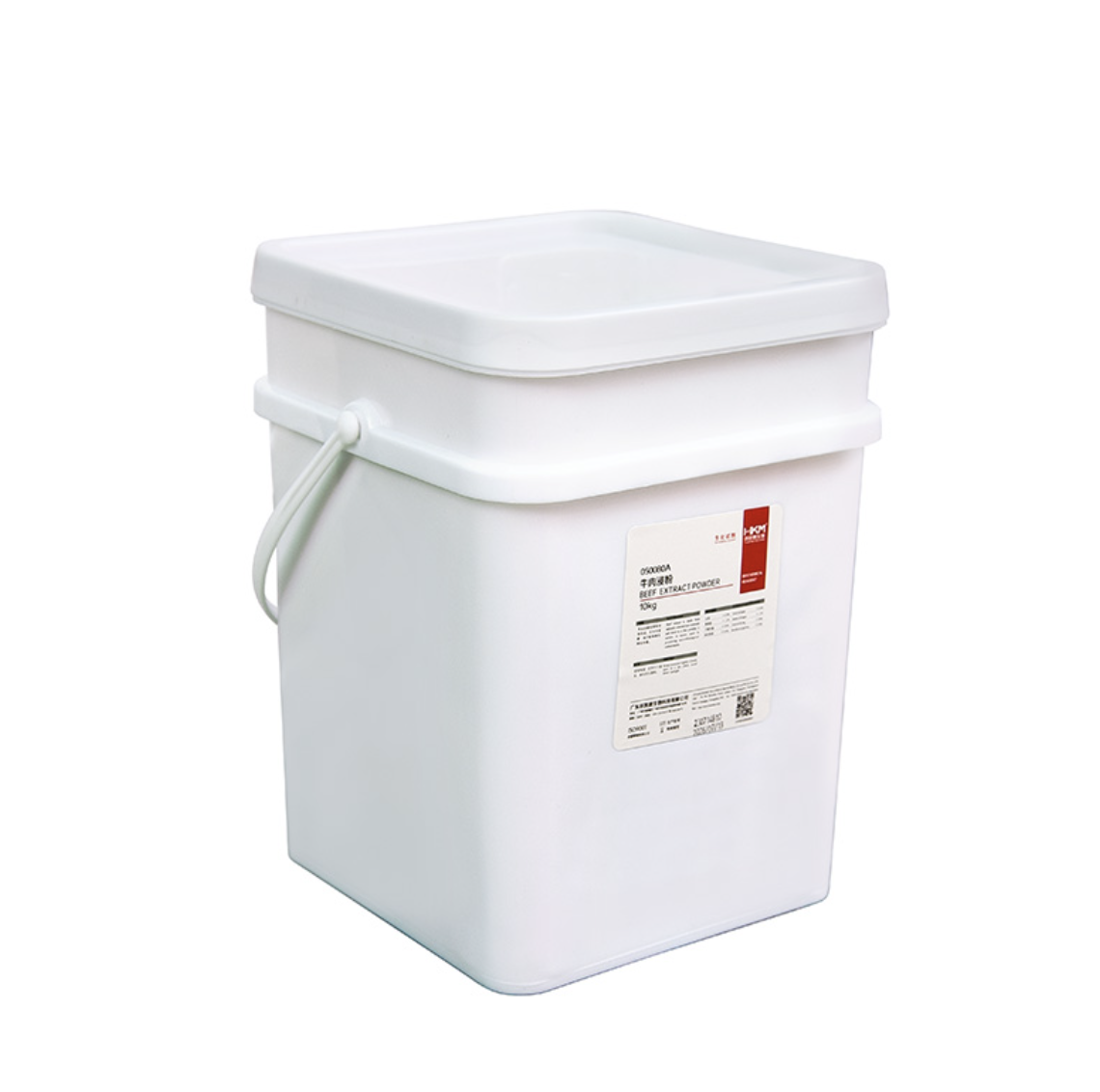
Usages: Pancreatic digest of casein obtained with a process to maintain a high level of vitamins and growth factors, it is particularly recommended for a rapid growth and detection of microorganisms present in low concentrations.
Technical specification: Total nitrogen(TN)—————————≥11.5% Amino nitrogen(AN) ————————≥3.0% Sulphuri ash———————————–≤15.0% Loss on drying——————————–≤6.0% Chlorides—————————————≤2.0% PH(5% solution)——————————7.0±0.5 Solubility in 5% water ———————–complete Nitrites——————————————negative
Storage: Keep container tightly closed, store in a cool, dry place, away from bright light.
Specifications: 500g/bottle; 10kg/bag
Other Products
endo-BCN-NHS carbonate
Product Info
Document
Product Info
(1R,8S,9s)-Bicyclo[6.1.0]non-4-yn-9-ylmethyl Succinimidyl Carbonate is a Succinimidyl ester/NHS-functionalized cyclooctyne derivative for addition of the cyclooctyne moiety into amine-containing compounds or biomolecules. The BCN group can react with azide-tagged biomolecules under copper free conditions.
Document
(1R,8S,9s)-Bicyclo[6.1.0]non-4-yn-9-ylmethyl Succinimidyl Carbonate is a Succinimidyl ester/NHS-functionalized cyclooctyne derivative for addition of the cyclooctyne moiety into amine-containing compounds or biomolecules. The BCN group can react with azide-tagged biomolecules under copper free conditions.
Staphylococcus aureus Quantified Bacterial DNA Standard
Product Info
Document
Product Info
Overview
Quantified standard to be used as a positive control or PCR quantification standard
Vigorously quantified using multiple methods
Mastitis is the single most costly disease of dairy cattle resulting in the reduction of milk yield and quality. The inflammation of the utter is mainly caused by bacteria, and Staphylococcus aureus (S. aureus) is often considered the most common cause of contagious mastitis in dairy herds. S. aureus infection is estimated to be present in up to 90% of dairy farms and is responsible for 35% of the economic loss in the dairy industry. S. aureus is a facultatively anaerobic, Gram positive bacterium. The majority of S. aureus strains are catalase-positive and coagulase-positive, which forms the basis of traditional identification methodology.
Staphylococcus aureus Quantified Bacterial DNA Standard is prepared from cultured bacteria using Norgen’s sample preparation technology. The purified DNA is quantified vigorously using multiple methods including spectrophotometry, gel densitometry and real-time PCR. It is intended to be used as a positive control or PCR quantification standard for Staphylococcus aureus.
Upon receipt, store Norgen’s Staphylococcus aureus Quantified Bacterial DNA Standard at -20oC or lower. Avoid multiple freeze-thaw cycles. If needed, prepare smaller working aliquots and store at -20oC or lower.
Attogene’s Carbon Dioxide Enzymatic Assay Kit is a simple, direct method for measuring Carbon Dioxide levels in the environment. The assay uses a coupled enzyme assay to detect CO2 (as HCO3-) as follows. In the first step, the bicarbonate condenses with phosphoenol pyruvate to form oxalate (and phosphoric acid); this reaction is catalyzed by the enzyme Phosphoenolpyruvate Decarboxylase, PEPC. The oxalate is then enzymatically reduced by the enzyme Malate Dehydrogenase (using an NADH cofactor) to form malate and NAD+.