
Introduction
029161 Catalase Detection Reagent
Usage:For Catalase Detection.
Specification:2ml*10vials

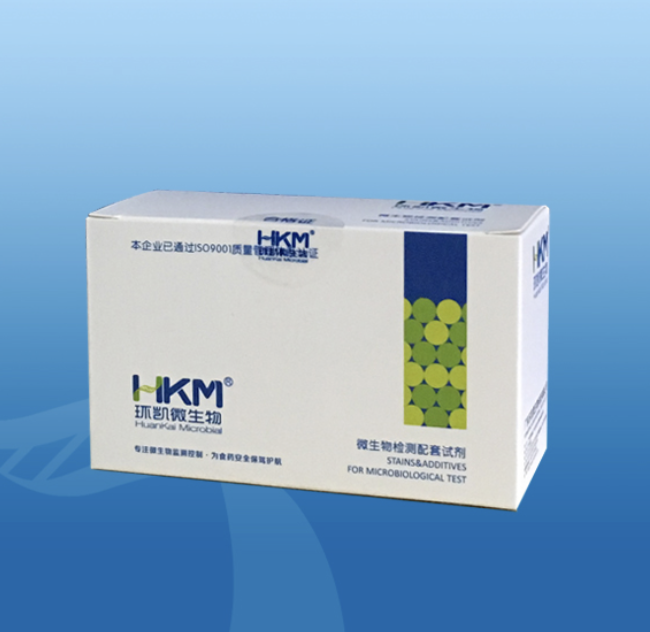
029161 Catalase Detection Reagent
Usage:For Catalase Detection.
Specification:2ml*10vials

Attogene’s Lead Rapid Lab Lateral Flow Kit can be used for the screening of Lead in water and food samples at greater than or equal to 10 ppb in a laboratory setting. Unlike the field-based kit, the lab kit is intended for a more technical end user who will be evaluating samples in a laboratory setting.
Lead contamination is a serious worldwide environmental problem. As it is difficult to detoxify by chemical or biological methods, gradual Lead ion accumulation in the nervous and cardiovascular systems of the human body can subsequently cause serious diseases. Long-term health consequences of drinking Lead-contaminated food and water include brain, heart, kidney, lungs and immune system problems for adults, and the physical and mental development delays in infants and children. Attogene’s Lead Lateral Flow test gives results conforming of 10ppb or greater in 5-15 minutes.
This is a revolutionary product designed to make Lead testing in easy and affordable. This fast screening test kit contains 10 tests with everything needed for accurate results of unsafe lead levels. With reliable results in only 10 minutes, this test kit clearly gives results confirming Lead in water and conforming to the EPA guideline of 15 ppb (µg/L).
Sample Collection:
1. Take a first-draw sample
Immediately after opening a faucet or valve, collect a 250 mL sample. This sample should be from each tap used for consumption.
2. Take a flush sample
If first-draw sample results show elevated lead levels of 5 ppb or higher, collect a flush sample. To do this, ensure water has not been used for between 8 to 18 hours, then collect the sample at 30 seconds.
3. Take sequential samples
If you want to test a lead service line, collect 8 to 10 sequential samples, depending on how far the line is from the tap.
Standards and Regulations and recommendations for Lead
High Blood lead levels (i.e., greater than 700ppb) can cause serious health effects, including seizure, coma, and death. Blood levels as low as 100ppb have been associated with adverse effects on cognitive development, growth, and behavior among children aged 1-5 years.
Screening of Lead in water samples at 5-10 ppb
Format: 10 tests (5 tests/5 controls)
Run Time: 15 Minutes

This product is suitable for rapid extraction of DNA from tissue, cells, blood, saliva, swabs, blood spots, semen and other clinical samples. DNA can be used directly for PCR, quantitative PCR, Southern Blot, test of virus DNA and so on.
Specifications
| Features | Specifications |
| Main Functions | Isolation total DNA from blood, buffy coat, tissue and other samples |
| Applications | Second generation sequencing, PCR, real time PCR, etc. |
| Purification method | Polydisperse magnetic beads |
| Purification technology | Magnetic beads technology |
| Process method | Manual or automatic |
| Sample type | Anticoagulant blood, concentrated blood, buffy coat, lymphocytes and cultured cells |
| Sample amount | Whole blood :< 200μl; Saliva / swab:< 400μl; Tissue :< 20mg |
| Yield | 0.1 – 50μg |
| Elution volume | |
| Time per run |
This product is based on the purification method of high binding magnetic particles. The sample is lysed and digested under the action of lysate and protease. DNA is released into the lysate. After adding magnetic particles and binding solution, DNA will be adsorbed on the surface of magnetic particles, and impurities such as proteins will be removed without adsorption. The adsorbed particles were washed with washing solution to remove proteins and impurities, washed with ethanol to remove salts, and finally DNA was eluted by Elution Buffer.
| Contents | IVD3102 |
| Purification Times | 200 |
| MagPure Particles | 5 ml |
| Proteinase K | 100 mg |
| Protease Dissolve Buffer | 10 ml |
| Rnase A | 40 mg |
| Buffer ATL | 60 ml |
| Buffer AL | 60 ml |
| Buffer BD* | 20 ml |
| Buffer BW1* | 110 ml |
| Elution Buffer | 30 ml |
| Cat.No | Reagent | IVD3102-F-96 |
| Proteinase K | 50 mg | |
| Protease Dissolve Buffer | 6 ml | |
| RNase A | 20 mg | |
| Buffer ATL | 30 ml | |
| Buffer AL | 30 ml | |
| 96-Tip | 1 | |
| Sample plate (DW Plate) | 450µl Buffer BD(Ethanol Added) | 1 |
| Wash 1 Plate (DW Plate) | 600µl Buffer BW1(Ethanol Added) | 1 |
| Wash 2 Plate (DW Plate) | 600µl Buffer BW1(Ethanol Added) | 1 |
| Wash 3 Plate (DW Plate) | 750µl Buffer GW2, 20µl MagPure Particle | 1 |
| Elution plate (DW Plate) | 80µl Elution Buffer | 1 |
| Cat.No | Reagent | IVD3102-TL-06 |
| Proteinase K | 50 mg | |
| RNase A | 20 mg | |
| Protease Dissolve Buffer | 6 ml | |
| Buffer ATL | 40 ml | |
| Buffer AL | 40 ml | |
| AS-Tip | 12 | |
| 2.0ml V-bottom plate | Row 1/7:450µl Buffer BDRow 2/8:450µl Buffer BW1Row 3/9:450µl Buffer BW1Row 4/10:20μl Magpure Particle450μl Wash Buffer GW2 Row 5/11:450μl Wash Buffer GW2 Row 6/12:80µl Elution Buffer | 6 |
Storage and Stability
Proteinase K, RNase A, MagPure Particles should be stored at 2-8°C upon arrival. However, short-term storage (up to 24 weeks) at room temperature (15-25°C) does not affect their performance. The remaining kit components can be stored at room temperature (15-25°C) and are stable for at least 18 months under these conditions.
Experiment Data

This product is suitable for rapid extraction of DNA from tissue, cells, blood, saliva, swabs, blood spots, semen and other clinical samples. DNA can be used directly for PCR, quantitative PCR, Southern Blot, test of virus DNA and so on.

Product Description
Targeting Animal Canine Parvovirus Disease Animal Disease Kit – Storage Conditions -20°C Detection Method LFA
Product Description:
Animal Disease Kit is a diagnostic kit designed for animal detection. It is suitable for the detection of various diseases, including cat and dog test kits, in animals. The kit is composed of various components such as primers, probes, reagents, buffers and other materials necessary for the detection of diseases, which can be used for test strips and other detection methods. The kit can be stored at -20°C for long-term use. With this Animal Disease Kit, you can easily detect diseases in animals and protect them from harm.
Features:
Technical Parameters:
| Parameters | Value |
|---|---|
| Target Organism | Canine |
| Product Name | Canine Parvovirus Isothermal Detection Fluorescence Kit |
| Storage Conditions | -20°C |
| Detection Time | 5-20 Mins |
| Detection MethodN | Test strips. |
| Sample Type | Blood, Urine, Feces, Etc. |
| Kit Components | Primers, Probes, Reagents, Buffers, Etc. |
| Manufacturer | Amp-future Bio |
Applications:
The Animal Disease Kit includes multiple components, such as primers, probes, reagents, buffers, etc., to detect diseases. The kit offers various detection methods, including test strips, making it suitable for a broad range of applications in animal disease detection.
Animal Disease Kit is widely used in cattle veterinary medicine, animal disease detection, and animal feed. The kit has been proved to be reliable and efficient in the detection of animal diseases. It helps to diagnose diseases quickly, providing an accurate basis for subsequent treatments.
Support and Services:
We are committed to providing quality products and services to our customers. Our Animal Disease Kit is designed for veterinary professionals to diagnose and treat medical conditions in animals.
1.Technical Support
Our technical support staff are available to answer any questions you may have about the Animal Disease Kit. We provide assistance with product installation, troubleshooting, and any software or hardware issues you may encounter. We also offer technical advice on how to use the kit and its features.
2.Customer Service
Our customer service team is available to help you with any inquiries you may have about the Animal Disease Kit. We assist with product returns, replacement parts, and warranty information. We also provide product information and advice on how to get the most out of your Animal Disease Kit.
FAQ:
Q1: What is the “Animal Disease Kit” product?
A1: The “Animal Disease Kit” is a comprehensive toolkit for the diagnosis of animal diseases.
Q2: What does the Animal Disease Kit include?
A2: The Animal Disease Kit includes Primers, Probes, Reagents, Buffers, Etc.
Q3: How do I use the Animal Disease Kit?
A3: The Animal Disease Kit is designed for easy and convenient use. You can refer to the instructions manual for detailed instructions on how to use the product.
Q4: How accurate is the Animal Disease Kit?
A4: The Animal Disease Kit is designed for accurate and reliable results. It has been tested and certified by qualified professionals for accuracy and reliability.
Q5: Is the Animal Disease Kit safe to use?
A5: Yes, the Animal Disease Kit is safe to use. All components of the kit are made with non-toxic and non-irritating materials, and all reagents are safe to use.
Animal Disease Kit is a diagnostic kit designed for animal detection. It is suitable for the detection of various diseases, including cat and dog test kits, in animals. The kit is composed of various components such as primers, probes, reagents, buffers and other materials necessary for the detection of diseases, which can be used for test strips and other detection methods. The kit can be stored at -20°C for long-term use. With this Animal Disease Kit, you can easily detect diseases in animals and protect them from harm.