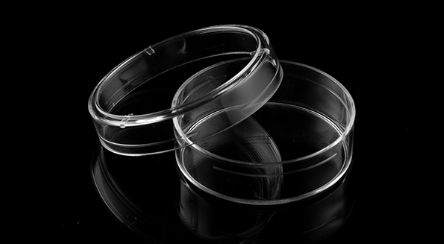
The product is made of medical grade USP CLASS VI polymer polystyrene
The product is made under a 100,00- class dust-free manufacturing site
Two kinds of product line up are providing.
For adherent cell culture: Initial adherence and proliferative property of cells via hydrophilic surface treatment.
For suspension cell culture: The surface is resistant to cell adherence, which minimizes damage or loss of cell.
Gamma radiation sterilization
Non-Pyrogenic, DNase/Rnase free.
Other Products
96S Super Magnet Plate
Product Info
Document
Product Info
Permagen’s direct replacement magnet plate for either PN: A32782 & A001322. Comes with spring cushion base and same strength magnets to meet current protocol requirements. 49% Cost savings*
For faster separations you can upgrade to our SKU# MSP500R which comes with all of the same features, just stronger magnets.
Compatible with any magnetic beads & all protocols requiring a 96S super magnet plate
Permagen’s direct replacement magnet plate for either PN: A32782 & A001322. Comes with spring cushion base and same strength magnets to meet current protocol requirements. 49% Cost savings*
For selective enrichment culture of Listeria monocytogenes in food.
Principle and Interpretation
Tryptone, proteose peptone, meat extract, yeast paste powder provide nitrogen sources, vitamins, amino acids, and growth factors; sodium chloride can maintain a balanced osmotic pressure; sodium dihydrogen phosphate and potassium dihydrogen phosphate as buffering agents; esculin are fermentable sugars; lithium chloride and other antibiotics can inhibit Gram negative bacteria and most Gram positive bacteria.
Formulation
Ingredients
/liter
Enzymatic digest of animal tissues ( Proteose peptone)
5.0g
Enzymatic digest of casein ( Tryptone)
5.0g
Meat extract
5.0g
Yeast extract
5.0g
Sodium chloride
20.0g
Disodium hydrogen phosphate dihydrate
12.0g
Potassium dihydrogen phosphate
1.35g
Aesculin
1.0g
Lithium chloride
3.0g
pH7.2±0.2 at 25°C
Preparation
Suspend 57.4g in 1 L of distilled or deionized water. Heat with frequent agitation and boil to completely dissolve the powder. Distribute into flasks. Autoclave at 121℃ for 15 minutes. Cool to 45-50℃,aseptically add the contents of 1 vial of Fraser Selective Supplement (SR0120) to each 225 mL of base to prepare FB1 solution; Add one reagent (SR0130) to each100 mL of FB2 culture medium to prepare FB2 enrichment solution.
Quality Control
Cultural characteristics observed after incubation at 35-37°C for 46~50 hours
2-30℃,Keep container tightly closed, avoid direct sunlight.
Use before expiry date on the label.
Precautions
1. When weighing the dehydrated medium, please wear masks to avoid causing respiratory system discomfort
2. Keep container tightly closed after using to prevent clumping.
Waste Disposal
Microbiological contamination was disposed by autoclaving at 121°C for 30 minutes.
Revision
On June 14, 2024
References
ISO 11290
Document
Intended Use For selective enrichment culture of Listeria monocytogenes in food. Principle and Interpretation Tryptone, proteose peptone, meat extract, yeast paste powder provide nitrogen ……
DBCO-NHCO-PEG4-NHS ester is a PEG linker containing NHS ester that is able to react specifically and efficiently with primary amines such as the side chain of lysine residues or aminosilane-coated surfaces at neutral or slightly basic condition to form a covalent bond. The hydrophilic PEG spacer arm improves water solubility and can also provide a long and flexible connection that minimizes steric hindrance during ligation. DBCO is commonly used for copper-free Click Chemistry reactions. Reagent grade, for research purpose. Please contact us for GMP-grade inquiries.
Document
DBCO-NHCO-PEG4-NHS ester is a PEG linker containing NHS ester that is able to react specifically and efficiently with primary amines such as the side chain of lysine residues or aminosilane-coated surfaces at neutral or slightly basic condition to form a covalent bond. The hydrophilic PEG spacer arm improves water solubility and can also provide a long and flexible connection that minimizes steric hindrance during ligation. DBCO is commonly used for copper-free Click Chemistry reactions. Reagent grade, for research purpose. Please contact us for GMP-grade inquiries.