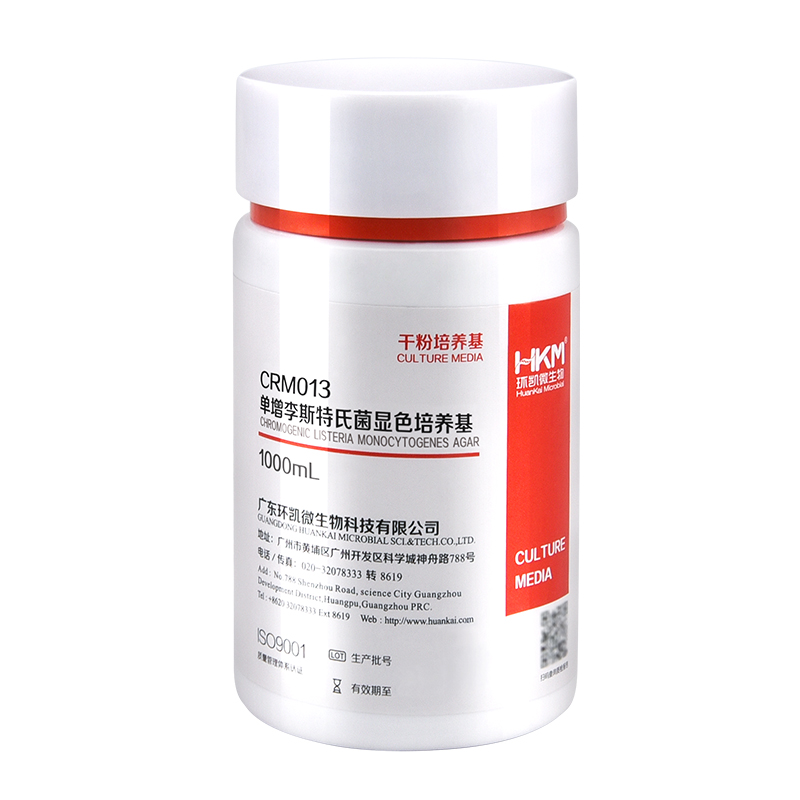
For cultivation of non-fastidious microorganisms, indole testing.
Principle:
Peptone provide carbon and nitrogen sources, vitamins and growth factors; sodium chloride to maintain osmotic equilibrium.
Formulation(per liter):
Peptone 10g
Sodium chloride 5g
Final pH 7.0 ± 0.2
How to use:
1.Suspend 15g in 1 L of distilled water , stirring heated to boiling until completely dissolved, dispensing flask, 121 autoclave for 15min.
2.Diluted and treated samples.
Quality control:
Item
The name and number of strain
Growth
Colony Color
1
Escherichia coli ATCC25922
Good
Turn Red
2
Klebsiella pneumoniae
Good
Color unchange
Other Products
Xle400 96-Well PCR Post Magnet Plate with Integrated Cushion Base
Product Info
Document
Product Info
The Permagen Xle400 low elution post magnet plate was designed for use in automation applications where volumes as low as 5 µL are required. This product was designed with our already popular product (LE400 above) in mind. We have enhanced and taken this product to the next level adding automation features such as integrated cushion base and corner brackets to keep the microplate in the proper location
SBS SLAS Footprint (127.75mm x 85.50mm) to fit into any automated liquid handling robot
Features include solid aluminum alloy construction and hard coat anodized finish for years of trouble-free use, and compatible with any magnetic beads
The Permagen Xle400 low elution post magnet plate was designed for use in automation applications where volumes as low as 5 µL are required. This product was designed with our already popular product (LE400 above) in mind. We have enhanced and taken this product to the next level adding automation features such as integrated cushion base and corner brackets to keep the microplate in the proper location
Attogene has developed a set of RNase-Free Lateral Assay Buffers specifically designed for developers of Nucleic Acid-based lateral flow tests
Components
RNase Free Running Buffer Screening Buffer Pack – Five 10 mL bottles of diverse running buffers
Set of 5 RNase-Free Lateral flow running buffers at specifically developed for optimizing nucleic acid based lateral flow assays. Each buffer is certified RNase-Free and tested functionally in RNA and DNA based lateral flow tests.
Features & Benefits
Can be used for development of a lateral flow assay for detection of a nucleic acids.
Cost-effective way to screen multiple buffers for lateral flow assay development knowing they have been functionally tested to be RNase-Free.
PreviousNext[DM3260] FluoroBand™ 1 KB Plus (0.1-10 kb) Fluorescent DNA Ladder, 500 μlPreviousNext
Product Info
Document
Product Info
Description
The DM3260 FluoroBand™ 1 KB Plus (0.1-10 kb) Fluorescent DNA Ladder is a ready-to-use DNA ladder, which is pre-mixed with high sensitivity DNA binding fluorescent dye and loading dye for direct gel loading. The DNA Ladder DM3260 is composed of 19 individual DNA fragments: 10k, 8k, 6k, 5k, 4k, 3k, 2.5k, 2k, 1.5k, 1k, 900, 800, 700, 600, 500, 400, 300, 200, and 100 base pairs derived from a mixture of PCR products and specifically digested plasmid DNA; these bands can be visualized when illuminated with 470 nm blue light or UV light. This product contains three enhanced bands (3 kb, 1.5 kb and 500 bp) for easier reference. In addition, three tracking dyes, Xylene cyanol FF, Bromophenol blue and Orange G which mimic the migration of 4,000 bp, 500 bp and 50 bp dsDNA during electrophoresis are also added for real time monitoring. Real time observation of the electrophoresis is also possible if compatible light source is fitted to the electrophoresis tank.
Features
Sharp bands
Quick reference— enhanced bands
Ready-to-use— premixed with loading dye for direct loading
Stable— room temperature storage over 6 months
Directly observed by UV or blue light— premixed with high sensitive DNA fluorescent dye
Source
Phenol extracted PCR products and dsDNA digested with specific restriction enzymes, equilibrated in 10 mM Tris-HCl (pH 8.0) and 10 mM EDTA.
Range
100 ~ 10,000 bp
Concentration
87 µg/ 500 µl
Recommended loading volume
5 µl/ well
Storage
Protected from light Room temperature for 6 months 4°C for 12 months -20°C for 24 months
Document
The DM3260 FluoroBand™ 1 KB Plus (0.1-10 kb) Fluorescent DNA Ladder is a ready-to-use DNA ladder, which is pre-mixed with high sensitivity DNA binding fluorescent dye and loading dye for direct gel loading. The DNA Ladder DM3260 is composed of 19 individual DNA fragments: 10k, 8k, 6k, 5k, 4k, 3k, 2.5k, 2k, 1.5k, 1k, 900, 800, 700, 600, 500, 400, 300, 200, and 100 base pairs derived from a mixture of PCR products and specifically digested plasmid DNA; these bands can be visualized when illuminated with 470 nm blue light or UV light. This product contains three enhanced bands (3 kb, 1.5 kb and 500 bp) for easier reference. In addition, three tracking dyes, Xylene cyanol FF, Bromophenol blue and Orange G which mimic the migration of 4,000 bp, 500 bp and 50 bp dsDNA during electrophoresis are also added for real time monitoring. Real time observation of the electrophoresis is also possible if compatible light source is fitted to the electrophoresis tank.