
Introduction
029110 Sterile Liquid Paraffin
Usage:For covering a liquid medium for anaerobic culture.
Specification:10ml.

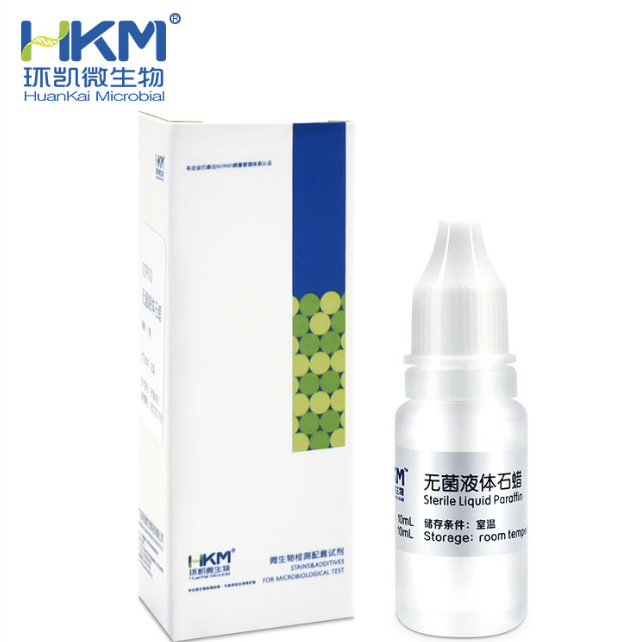
029110 Sterile Liquid Paraffin
Usage:For covering a liquid medium for anaerobic culture.
Specification:10ml.

endo-BCN-PEG2-alcohol is a click chemistry PEG linker. The BCN group is very reactive with azide-tagged molecules. The hydroxyl group enables further derivatization or replacement with other reactive functional groups. Reagent grade, for research purpose. Please contact us for GMP-grade inquiries.

endo-BCN-PEG2-alcohol is a click chemistry PEG linker. The BCN group is very reactive with azide-tagged molecules. The hydroxyl group enables further derivatization or replacement with other reactive functional groups. Reagent grade, for research purpose. Please contact us for GMP-grade inquiries.

Usages:
For antimicrobial susceptibility testing.
Principle:
Beef extract powder and casein hydrolyzate provide nitrogen, vitamins and amino acids; soluble starch absorption of toxic metabolites.
Formulation(per liter):
Beef extract 2g
Soluble starch 1.5g
Acid hydrolysis of casein 17.5g
Final pH7.3 ± 0.2
How to use:
1.Suspend 21g in 1 L of distilled water , stirring heated to boiling until completely dissolved, dispensing flask, 121 autoclave for 15min.
2.Diluted and treated samples.
Storage: Keep container tightly closed, store in a cool, dry place, away from bright light. Storage period of 3 years.
500g

Nucleic acid testing (NAT) is the method of choice for detection and quantification of a wide range of micro organisms. Primerdesign manufactures and supplies high quality quantitative real-time PCR kits for the detection and simultaneous quantification of numerous significant pathogens . A copy number standard curve is provided for quantification and an the internal extraction template (DNA or RNA), controls for the quality of the nucleic acid extraction and eliminates false negative results.
The kit is designed with the broadest possible detection profile to ensure that all clinically relevant strains and subtypes are detected. Target sequences are selected by working with data from key opinion leaders in the field. Multiple sequence alignments and unprecedented real-time PCR expertise in design and validation ensure the best possible kit.
Details of the target and priming specificity are included in the individual handbooks above.
Packaged, optimised and ready to use. Expect Better Data.
Exceptional value for money
Rapid detection of all clinically relevant subtypes
Positive copy number standard curve for quantification
Highly specific detection profile
High priming efficiency
Broad dynamic detection range (>6 logs)
Sensitive to < 100 copies of target
Accurate controls to confirm findings